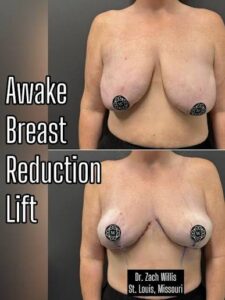
Many people considering breast reduction are concerned about discomfort during and after the procedure. A common question is whether awake breast reduction surgery is painful. The procedure is designed to maximize patient comfort by using local anesthesia with sedation instead of general anesthesia for suitable candidates. This approach allows patients to remain relaxed while the treatment is performed. Although some pressure or movement may be noticed during surgery, pain is typically well controlled, and postoperative discomfort is usually manageable with proper care and medication.
Understanding Pain During awake breast reduction surgery
During awake breast reduction surgery, the treatment area is numbed with local anesthesia before the procedure begins. Sedation is often provided to help patients stay calm and comfortable throughout the operation. Because the surgical site is thoroughly anesthetized, most individuals report feeling little to no pain during the procedure itself. Patients may notice gentle pressure or minor pulling sensations, but these are generally not described as painful. Continuous monitoring by the medical team also helps ensure comfort remains a priority from beginning to end.
What to Expect After Surgery
Once the anesthesia begins to wear off, it is normal to experience mild to moderate soreness, swelling, and tightness around the breasts. These symptoms are expected after most surgical procedures and typically improve over the following days. Prescription or over-the-counter pain medication, when recommended by the surgeon, can help manage temporary discomfort. Many patients find that the recovery process is easier than anticipated, especially when they carefully follow postoperative instructions and allow their bodies adequate time to heal.
Factors That Influence Discomfort
The amount of discomfort experienced after surgery varies from one patient to another. Individual pain tolerance, the amount of tissue removed, overall health, and adherence to recovery guidelines all influence the healing experience. Patients who maintain healthy habits, stay hydrated, and avoid strenuous activities during recovery often experience smoother healing. Open communication with the surgical team is also important, as any unexpected pain or concerns should be addressed promptly to ensure recovery continues safely and comfortably.
Recovery Tips for Greater Comfort
Proper postoperative care plays a major role in minimizing discomfort after surgery. Wearing a supportive surgical bra helps reduce swelling while providing gentle support to healing tissues. Patients should avoid lifting heavy objects, sleeping on their stomach, or participating in vigorous exercise until cleared by their surgeon. Light walking is usually encouraged to promote healthy circulation. Following all aftercare recommendations carefully not only supports healing but also contributes to a more comfortable recovery and improved long-term surgical results.
The Importance of Personalized Treatment
Every patient has unique anatomical characteristics, cosmetic goals, and medical needs, making individualized care essential for successful outcomes. Rather than relying on standardized treatment methods, experienced surgeons develop customized surgical plans tailored to each individual. This patient-centered philosophy mirrors the personalized approach used in advanced aesthetic procedures that address both physical appearance and personal confidence through minimally invasive innovations. Combining modern techniques with compassionate care helps patients feel supported while achieving natural-looking improvements that complement their overall body proportions.
Modern Techniques Improve Patient Experience
Advances in cosmetic surgery continue to enhance both safety and comfort for patients seeking body contouring procedures. Improved anesthesia methods, refined surgical techniques, and better postoperative care have significantly reduced discomfort compared with older approaches. During awake breast reduction surgery, surgeons use precise methods that minimize unnecessary tissue trauma while focusing on balanced, aesthetically pleasing results. These innovations allow many patients to recover more comfortably while enjoying improvements in physical comfort, body symmetry, and self-confidence over time.
Choosing the Right Cosmetic Provider
Selecting an experienced cosmetic surgeon is one of the most important steps in achieving a positive surgical experience. A qualified provider carefully evaluates medical history, explains every stage of the procedure, and develops a personalized treatment plan based on individual goals. Ongoing communication before and after surgery helps patients feel informed and prepared throughout the process. Visitors to agefocus.net can learn more about advanced cosmetic procedures, individualized care, and modern treatment options designed to enhance both comfort and long-term satisfaction.
Final Thoughts
So, is awake breast reduction surgery painful? Most patients experience little to no pain during the procedure because local anesthesia effectively numbs the treatment area, while sedation helps maintain relaxation. Temporary soreness after surgery is normal but is generally manageable with appropriate medications and careful postoperative care. Choosing an experienced surgical team, following recovery instructions, and maintaining realistic expectations all contribute to a smoother healing process. With modern techniques and personalized treatment, patients can achieve meaningful improvements in comfort, appearance, and overall quality of life while recovering with confidence.