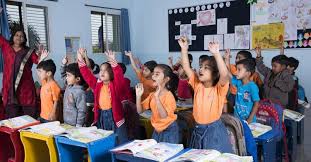
Education for All: How Technology is Transforming Access to Learning
The landscape of education has undergone significant transformations in recent years, thanks to technological advancements. With the rise of online platforms, mobile applications, and digital tools, access to quality education is becoming more inclusive and widespread. Technology is breaking down barriers to learning, offering opportunities to students in remote areas, those with disabilities, and individuals from disadvantaged backgrounds. This article explores how technology is revolutionizing access to education and promoting a more equitable learning environment for all.
1. Bridging the Gap: Access to Education in Remote Areas
One of the most significant ways technology is transforming education is by bridging the gap for students in remote or underserved regions. In the past, students living in rural or isolated areas had limited access to educational resources, qualified teachers, and even basic learning materials. However, technology has opened new doors for these students.
- Online Learning Platforms: Platforms such as Coursera, Khan Academy, and edX provide a wide range of courses accessible from anywhere in the world. Students can now take part in educational programs, learn new skills, and gain certifications without the need to travel to a physical institution.
- Mobile Learning: With the increasing availability of smartphones, mobile learning apps are providing educational content to individuals who may not have access to traditional classroom settings. Apps like Duolingo for language learning, or Google Classroom for organizing lessons, enable students to learn on the go, regardless of location.
2. Personalized Learning: Adapting to Individual Needs
Another way technology is reshaping education is by offering personalized learning experiences. Traditional classrooms often adopt a one-size-fits-all approach, where all students are expected to follow the same curriculum at the same pace. However, technology allows for tailored learning experiences that can cater to the individual needs of each student.
- Adaptive Learning Systems: Technologies like artificial intelligence (AI) and machine learning are making it possible to create personalized learning paths. Platforms such as DreamBox or Smart Sparrow adjust the difficulty of lessons in real-time, based on a student’s performance, ensuring that they are always challenged at an appropriate level.
- Learning Management Systems (LMS): LMS platforms such as Moodle and Blackboard allow educators to provide customized lessons, assessments, and resources to suit the learning pace and style of each student. This ensures that students who need extra help can receive additional resources, while advanced learners can be challenged further.

3. Overcoming Disabilities: Making Education More Inclusive
For students with disabilities, technology is creating new opportunities to access education that were previously unavailable or difficult to attain. Educational technology has made significant strides in ensuring that students with physical or learning disabilities can participate fully in the learning process.
- Assistive Technologies: Tools such as screen readers, speech-to-text software, and hearing aids enable students with visual or auditory impairments to engage with educational content. For example, text-to-speech applications like Kurzweil 3000 can read aloud textbooks, while software like Ghotit helps students with dyslexia to write and edit their work more efficiently.
- Inclusive Digital Content: Many educational resources are now designed with accessibility in mind, offering closed captions, subtitles, and customizable text sizes. Websites, video lectures, and e-books are increasingly adhering to accessibility standards to ensure that all students, regardless of ability, have equal access to learning materials.
4. Cost-Effective Learning: Breaking Down Financial Barriers
Traditional education systems often require significant financial investments, which can be a barrier for many individuals around the world. The rise of digital learning resources is helping to reduce these financial barriers, making education more affordable and accessible to everyone.
- Free Online Courses and Open Educational Resources (OER): Numerous organizations and institutions are offering free online courses to the public. Websites like Khan Academy, edX, and Coursera offer high-quality educational content at no cost, giving learners from all socioeconomic backgrounds the opportunity to access top-notch education without the financial burden.
- Digital Textbooks and Open Access: Digital textbooks and open-access journals are reducing the costs associated with educational materials. Students no longer have to purchase expensive textbooks, as many institutions are adopting open-access materials, which can be downloaded or accessed online for free.
5. Collaboration and Global Learning Communities
Technology is also promoting collaboration among students, educators, and institutions around the globe. The internet has connected people in ways that were previously unimaginable, allowing for the creation of international learning communities and collaborative projects.
- Virtual Classrooms and Global Collaboration: Platforms like Zoom, Microsoft Teams, and Google Meet enable students and teachers from different parts of the world to connect in real-time. Virtual classrooms have become a vital tool for distance learning, allowing students to participate in live discussions, attend lectures, and collaborate on projects with peers across borders.
- Global Education Networks: Technology is facilitating cross-cultural exchanges and global educational partnerships. Students can now interact with their peers from different countries, gaining diverse perspectives on various subjects. This fosters a deeper understanding of global issues and enhances the learning experience.
6. Lifelong Learning and Continuous Skill Development
In today’s fast-paced world, the need for continuous skill development is crucial. Technology is empowering individuals to pursue lifelong learning, equipping them with the skills needed to adapt to ever-changing job markets and industries.
- Microlearning: Microlearning platforms like LinkedIn Learning and Udemy offer short, focused learning modules that allow individuals to acquire new skills in a flexible and time-efficient manner. This enables professionals to upskill without committing to long-term degree programs, making learning more accessible to a wider audience.
- Career-Focused Education: Technology is facilitating more direct connections between education and career development. Platforms like Coursera and LinkedIn Learning partner with companies to offer courses that directly align with industry needs, allowing students to acquire job-specific skills that enhance their employability.
Conclusion
Technology has undoubtedly transformed education, making it more accessible, personalized, inclusive, and affordable. By breaking down geographical, financial, and physical barriers, technology is democratizing learning and providing everyone with the opportunity to pursue education, regardless of their background or circumstances. As we look to the future, it is clear that technology will continue to shape the way we learn, ensuring that education is truly for all.