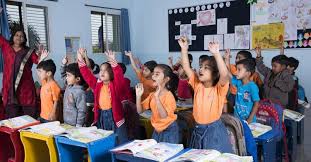
The Transformative Power of Education: A Path to a Better Future
Education is the cornerstone of personal and societal development. It is more than just acquiring knowledge; education empowers individuals, shapes character, and builds communities. From fostering innovation to reducing inequality, the transformative power of education can be seen across all aspects of life. This article delves into the importance of education, its benefits, and how it can shape a better future for all.
What is Education?
Education is the process of acquiring knowledge, skills, values, and attitudes through instruction, training, or research. It takes many forms, including formal education in schools and universities, informal learning at home, and non-formal education through vocational or community-based programs.
Education serves as a bridge to knowledge, enabling individuals to understand the world and navigate its complexities.
The Importance of Education
- Empowerment:
Education empowers individuals to think critically, make informed decisions, and solve problems effectively. It equips people with the skills needed to achieve personal and professional goals. - Economic Growth:
A well-educated workforce drives economic development. Education enhances productivity, fosters innovation, and opens up opportunities for better jobs and higher incomes. - Social Equality:
Access to quality education reduces disparities and fosters inclusivity. It ensures that individuals, regardless of gender, race, or socioeconomic background, have equal opportunities to succeed. - Improved Health:
Educated individuals are more likely to adopt healthy behaviors and access healthcare services. This leads to improved life expectancy and overall well-being. - Sustainability and Global Awareness:
Education promotes awareness of global challenges like climate change, poverty, and inequality. It inspires individuals to contribute to sustainable solutions and make the world a better place.
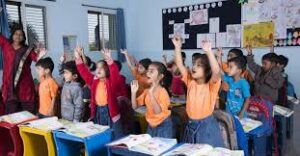
Benefits of Education
- Personal Development: Education enhances self-awareness, confidence, and the ability to communicate effectively.
- Cultural Understanding: It fosters respect for diversity and helps individuals appreciate different perspectives.
- Community Building: Educated individuals are more likely to participate in community activities and contribute to social cohesion.
- Technological Advancement: Education drives technological innovation, which is essential for progress in science, medicine, and industry.
Challenges in Education
Despite its importance, education faces several challenges:
- Access: Millions of children worldwide lack access to quality education due to poverty, conflict, or geographic isolation.
- Quality: In some regions, education systems are plagued by outdated curricula, insufficient resources, and untrained teachers.
- Inequality: Disparities in access to education persist, particularly for girls, people with disabilities, and marginalized communities.
Solutions for a Brighter Future
To harness the full potential of education, governments, organizations, and individuals must work together:
- Invest in Infrastructure: Build more schools and provide adequate resources for learning.
- Train Teachers: Equip educators with the skills needed to inspire and engage students.
- Leverage Technology: Use digital tools to expand access to education, especially in remote areas.
- Promote Inclusivity: Ensure that all individuals, regardless of their background, have access to quality education.
Conclusion
Education is the foundation for a better future. It shapes individuals, transforms societies, and addresses global challenges. By prioritizing education and overcoming its challenges, we can create a world where everyone has the opportunity to learn, grow, and contribute meaningfully.
In the words of Nelson Mandela, “Education is the most powerful weapon which you can use to change the world.” Let us harness this power to build a brighter, more equitable future for generations to come.