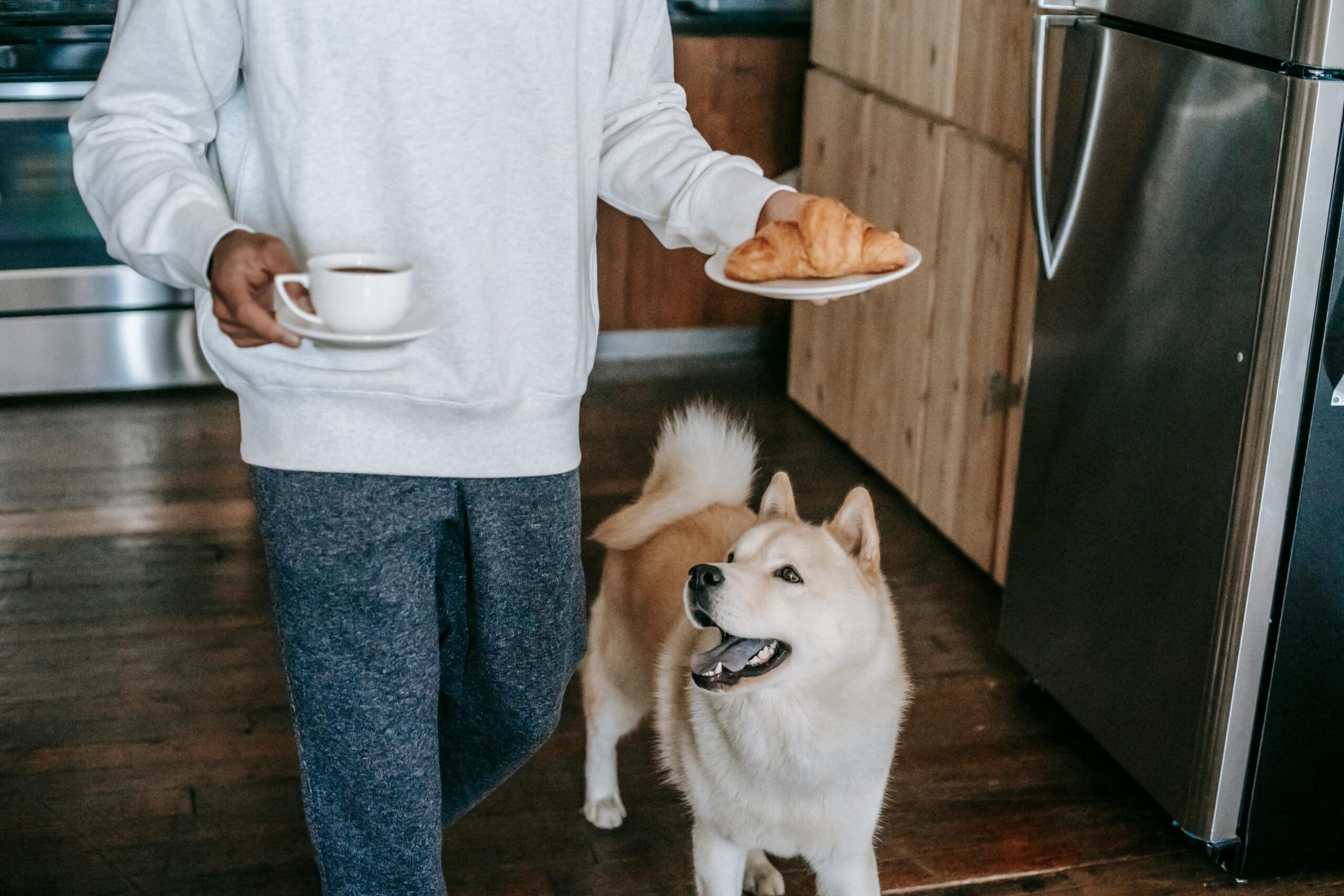
Creating a Comfortable and Enriching Indoor Environment for Your Pets
Choosing the right indoor pet products is crucial for ensuring the well-being and happiness of your furry, scaled, or feathered companions. A well-equipped indoor environment caters to their physical and mental needs, promoting a healthy and fulfilling life. From cozy beds that offer a sense of security to stimulating toys that combat boredom, the products you select play a significant role in shaping your pet’s daily experience.
Creating a safe and stimulating indoor environment involves more than just providing the basics. It’s about understanding your pet’s specific needs and preferences, and then selecting products that cater to those individual requirements. For example, a playful kitten will require different items than a senior dog with mobility issues. By carefully curating your selection of indoor pet products, you can create a haven that promotes their physical and mental well-being.
Comfort and Security: Choosing the Right Bed
A comfortable bed is an essential component of any indoor pet environment. It provides your pet with a designated space to rest, relax, and feel secure. When selecting a bed, consider your pet’s size, sleeping habits, and any specific health conditions they may have. For example, a larger dog may require an orthopedic bed to support their joints, while a cat might prefer a cozy, enclosed bed that offers a sense of privacy and security.
Beyond size and support, consider the material of the bed. Some materials are more durable and easier to clean than others. Also, think about your pet’s tendency to chew or scratch at their bed. If you have a destructive pet, opting for a bed made from a more resilient fabric can help prevent premature wear and tear. Ultimately, the goal is to find a bed that provides your pet with maximum comfort and a feeling of security.
Enrichment and Play: Toys and Activities
Indoor pets need mental stimulation to prevent boredom and promote overall well-being. Providing a variety of toys and activities can help keep your pet engaged and entertained, especially when you’re not able to directly interact with them. The best toys are those that appeal to your pet’s natural instincts, such as hunting, chasing, or problem-solving.
For cats, interactive toys like laser pointers, feather wands, and puzzle feeders can provide hours of entertainment. Dogs, on the other hand, may enjoy chew toys, fetch balls, or puzzle toys that challenge their minds. Rotate your pet’s toys regularly to keep them interested and prevent them from becoming bored with the same old playthings. Remember to supervise your pet during playtime to ensure their safety.
Maintaining Hygiene: Litter Boxes and Cleaning Supplies
Maintaining good hygiene is crucial for the health and well-being of your indoor pet, as well as for the cleanliness of your home. For cat owners, choosing the right litter box and litter is essential for odor control and ease of cleaning. There are various types of litter boxes available, including covered, uncovered, and self-cleaning options. Experiment to find the type that your cat prefers and that best suits your lifestyle.
In addition to litter boxes, it’s important to have a good supply of cleaning products specifically designed for pet messes. Enzyme-based cleaners are particularly effective at removing stains and odors caused by urine, feces, and vomit. Regularly cleaning your pet’s bedding, toys, and feeding area can also help prevent the spread of bacteria and maintain a hygienic indoor environment.
Feeding and Hydration: Bowls and Dispensers
Providing your pet with fresh food and water is fundamental to their health and well-being. Choosing the right food and water bowls can make mealtime more comfortable and convenient for both you and your pet. Stainless steel bowls are a popular choice because they are durable, easy to clean, and resistant to bacteria. Avoid plastic bowls, as they can harbor bacteria and may leach harmful chemicals into your pet’s food or water.
For pets who tend to eat too quickly, consider using a slow-feeder bowl. These bowls are designed with obstacles that force your pet to eat more slowly, which can help prevent bloating and digestive issues. Automatic feeders and water dispensers can also be helpful for busy pet owners who want to ensure their pets always have access to fresh food and water.
Safety First: Gates and Containment
Ensuring your pet’s safety is paramount, especially when you’re not able to supervise them directly. Indoor pet gates can be used to restrict access to certain areas of your home, such as stairways or rooms with hazards. These gates are particularly useful for puppies, kittens, or pets with mobility issues. Choose a gate that is sturdy, easy to install, and appropriate for your pet’s size and breed.
For smaller pets, such as rabbits or guinea pigs, a secure cage or enclosure is essential. The enclosure should be large enough to allow your pet to move around comfortably and should be equipped with food and water bowls, a hiding place, and toys. Make sure the enclosure is escape-proof and that the bars are close enough together to prevent your pet from squeezing through.
Grooming Essentials: Brushes and Nail Clippers
Regular grooming is an important part of maintaining your pet’s health and hygiene. Brushing your pet’s fur regularly can help prevent mats and tangles, reduce shedding, and stimulate blood circulation. The type of brush you choose will depend on your pet’s coat type. For example, a slicker brush is ideal for removing loose fur from long-haired breeds, while a rubber brush is better for short-haired breeds.
In addition to brushing, it’s important to trim your pet’s nails regularly. Overgrown nails can be painful and can even lead to mobility problems. Use a pair of pet nail clippers specifically designed for this purpose. Be careful not to cut too close to the quick, which is the pink area in the nail that contains blood vessels and nerves. If you’re unsure how to trim your pet’s nails properly, consult with a veterinarian or professional groomer.