The Pulse of Pop Culture: Latest Arts & Entertainment Trends
The world of arts and entertainment is in constant flux, driven by technological advancements, evolving audience preferences, and the ever-present quest for novelty. Keeping a finger on the pulse of these trends is essential for creators, marketers, and anyone who wants to stay relevant in today’s fast-paced cultural landscape. From the rise of immersive experiences to the dominance of streaming platforms, the entertainment landscape is undergoing a dramatic transformation. Let’s dive into some of the latest and most impactful trends shaping the industry.
Immersive Experiences: Stepping into the Story
Forget passive consumption; audiences now crave active participation. Immersive experiences are blurring the lines between reality and fiction, inviting viewers to become characters in the narrative. From escape rooms and interactive theater to augmented reality (AR) games and location-based entertainment, these experiences prioritize engagement and create lasting memories. This trend speaks to a desire for authenticity and a longing to escape the digital world, even as technology powers the immersive experience itself. The key is to offer something unique and memorable.
The Reign of Streaming: Content on Demand
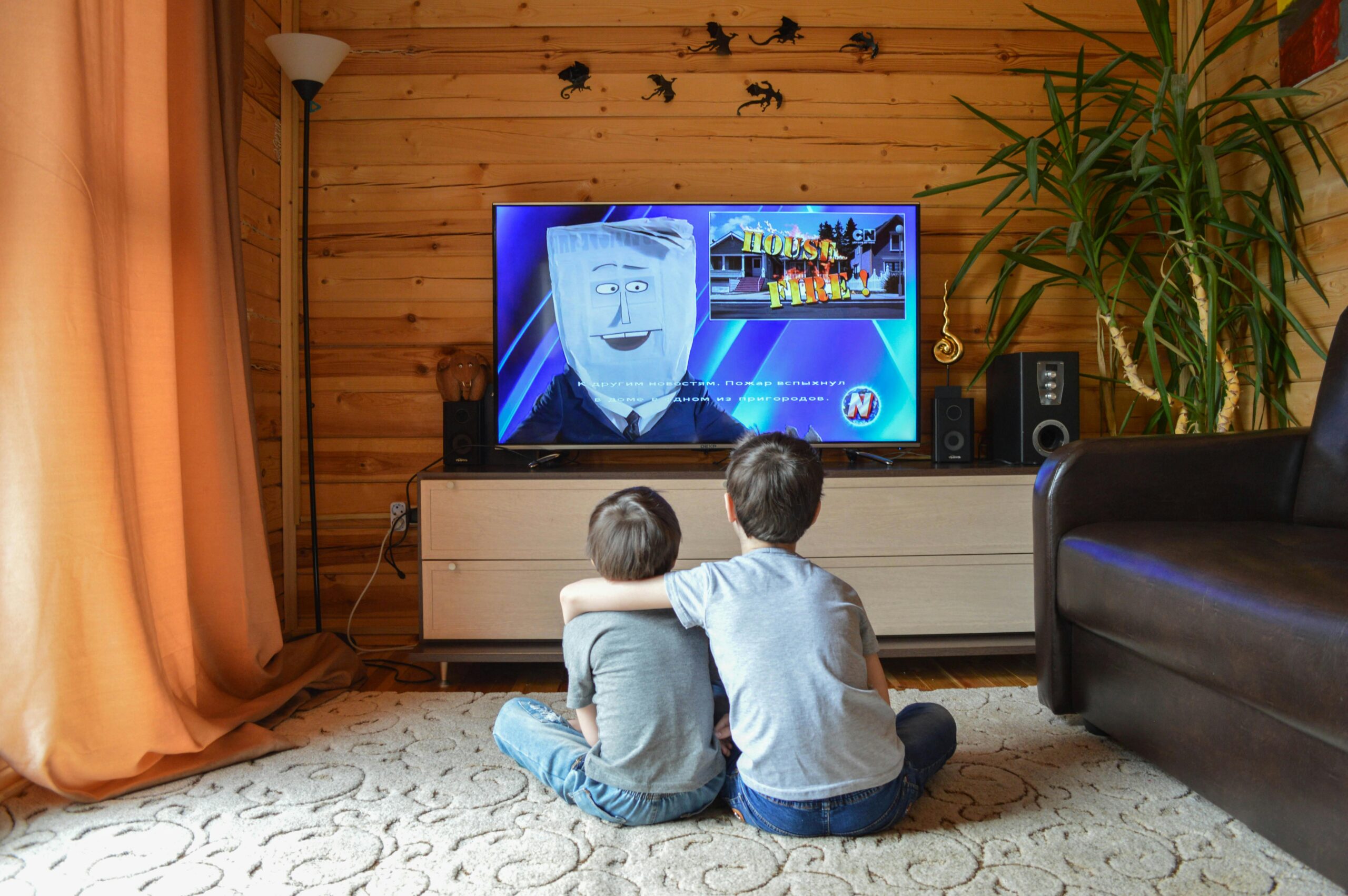
Streaming platforms continue to dominate the entertainment landscape, offering a vast library of movies, TV shows, music, and podcasts at our fingertips. The competition among streaming services is fierce, driving innovation in content creation and distribution. Original programming is now the key differentiator, with platforms investing heavily in exclusive shows and movies to attract and retain subscribers. The rise of streaming has also democratized access to content, allowing independent creators to reach global audiences without the need for traditional gatekeepers.
Gaming Beyond Consoles: Mobile and Cloud Gaming
The gaming industry is expanding beyond traditional consoles, with mobile gaming and cloud gaming gaining significant traction. Mobile gaming offers accessibility and convenience, allowing players to enjoy their favorite games on the go. Cloud gaming eliminates the need for expensive hardware, enabling gamers to stream high-quality games to any device with an internet connection. This trend is opening up the gaming world to a wider audience, including casual gamers and those who may not have the resources to invest in dedicated gaming equipment.
The Visual Arts Embrace Digital Innovation
Digital art is no longer a niche genre; it’s a mainstream force in the art world. From NFTs (Non-Fungible Tokens) to digital installations and virtual reality art galleries, technology is transforming the way art is created, displayed, and consumed. Digital art offers new possibilities for artistic expression, allowing artists to create interactive and immersive experiences that were previously unimaginable. The rise of NFTs has also created new opportunities for artists to monetize their work and connect with collectors directly.
Short-Form Video: Capturing Attention in Seconds
In today’s attention economy, short-form video platforms like TikTok and Instagram Reels are king. These platforms prioritize bite-sized content that can quickly grab and hold viewers’ attention. Short-form video has become a powerful tool for creators, marketers, and brands to reach a massive audience and build a community. The key to success on these platforms is to create engaging and shareable content that is optimized for mobile viewing. Authenticity and creativity are rewarded, while overly polished or promotional content is often ignored.
The Resurgence of Live Entertainment
Despite the rise of digital entertainment, live experiences continue to hold a special place in our hearts. Concerts, festivals, theater performances, and sporting events offer a sense of community and shared experience that cannot be replicated online. After a period of disruption due to the pandemic, live entertainment is making a strong comeback, with audiences eager to reconnect with their favorite artists and performers in person. Enhanced safety measures and innovative event formats are helping to ensure the continued success of the live entertainment industry.
Technological advancements are driving many of these trends, creating new opportunities for creativity and innovation. Virtual reality (VR) and augmented reality (AR) technologies are being used to create immersive experiences that blur the lines between the physical and digital worlds. Artificial intelligence (AI) is being used to personalize content recommendations and create realistic virtual characters. The possibilities are endless, and the future of arts and entertainment is sure to be shaped by these technologies.
Social media continues to play a significant role in shaping arts and entertainment trends. Platforms like TikTok, Instagram, and YouTube are used to discover new artists, share content, and connect with fans. Influencers and content creators have become tastemakers, shaping public opinion and driving trends. Social media also provides a platform for marginalized voices to be heard, amplifying diverse perspectives and challenging traditional power structures in the entertainment industry. The power of social media cannot be overstated.
The rise of niche communities is another important trend to consider. Online platforms and social media groups are bringing together people with shared interests, creating spaces for them to connect, share content, and support creators who cater to their specific tastes. This trend is empowering independent artists and creators to find their audience and build a loyal following. The key is to identify and connect with these niche communities, offering content and experiences that resonate with their specific interests.
The increasing demand for authenticity is also shaping arts and entertainment trends. Audiences are becoming more discerning, seeking out content and experiences that feel genuine and relatable. This trend is driving a shift away from overly polished and manufactured entertainment towards more raw and authentic storytelling. Creators who are willing to be vulnerable and share their personal experiences are often rewarded with a loyal and engaged audience. Authenticity is key to building trust and creating meaningful connections.
The emphasis on accessibility is also an important factor to consider. As technology makes entertainment more accessible than ever before, audiences are demanding content that is easy to consume and share. This trend is driving the popularity of short-form video, podcasts, and other formats that can be enjoyed on the go. Creators who are able to adapt to these changing consumption habits are more likely to succeed in today’s fast-paced entertainment landscape. Making content easily accessible is crucial for reaching a wider audience.
Sustainability is becoming a growing concern in the arts and entertainment industry. Audiences are increasingly aware of the environmental impact of entertainment production and consumption, and they are demanding more sustainable practices. This trend is driving a shift towards more eco-friendly production methods, the use of sustainable materials, and the promotion of responsible consumption habits. Creators and organizations that prioritize sustainability are more likely to attract environmentally conscious audiences and build a positive brand image.
Collaboration and cross-pollination between different art forms are becoming increasingly common. Artists and creators are experimenting with new ways to combine music, visual arts, theater, and other disciplines to create innovative and immersive experiences. This trend is blurring the boundaries between traditional art forms and creating new opportunities for artistic expression. Collaboration can lead to unexpected and exciting results, pushing the boundaries of creativity and challenging traditional norms.
Personalization is playing an increasingly important role in the arts and entertainment industry. Streaming platforms, social media sites, and other digital platforms are using algorithms to personalize content recommendations and tailor experiences to individual users’ preferences. This trend is making it easier for audiences to discover new content and connect with artists who share their interests. Personalization can enhance the user experience and increase engagement, but it also raises concerns about privacy and the potential for filter bubbles.